Government of the Republic of Zimbabwe Правительство Республики Зимбабве
Unity • Freedom • Work Единство • Свобода • Труд
Official Diplomatic MissionОфициальная дипломатическая миссия
Moscow, Russian FederationМосква, Российская Федерация
Zimbabwe and Russia Deepen Agricultural Cooperation with New Fertiliser Support
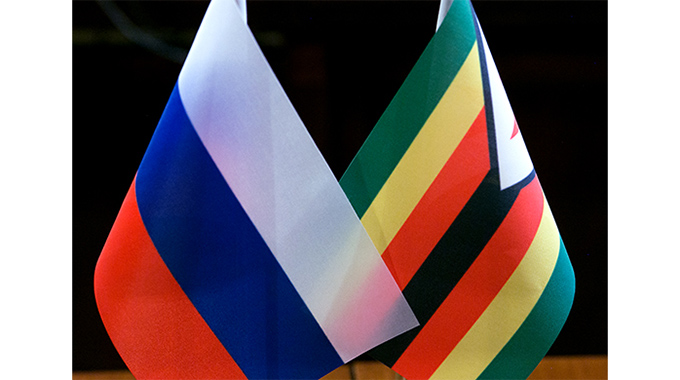
Zimbabwe’s long‑standing relationship with Russia — forged during the country’s liberation struggle — is entering a new strategic phase, with Moscow stepping up fertiliser support, food assistance and investment as Harare consolidates partnerships to safeguard national food security.
The historic alliance, rooted in pre‑Independence solidarity, is increasingly evolving into a critical economic partnership, with agriculture, fertiliser security and value‑chain investment emerging as central pillars.
Zimbabwe requires about 1,4 million tonnes of fertiliser annually, including ammonium nitrate and single superphosphates, placing supply security at the heart of national agricultural productivity.
This comes against a shifting global aid and trade landscape in which the United States — historically a key development partner — has scaled back support, including a freeze on new foreign aid spending under President Donald Trump. Washington’s withdrawal of funding from the World Health Organisation has also heightened public anxiety over the continuity of donor‑supported programmes.
However, Government has maintained that national food security interventions will not be disrupted, citing ongoing efforts to strengthen domestic resilience and secure long‑term international partnerships.
Zimbabwe has also been affected by global trade disruptions driven by geopolitical tensions, including the Russia‑Ukraine conflict and the ongoing US‑Israel confrontation with Iran, which have pushed up the cost of fuel, fertiliser and other critical agricultural inputs.
The country imports essential fertiliser raw materials from several partners, including urea and ammonium nitrate from Russia; potash and NPK blends from Belarus; and additional inputs such as urea, liquefied natural gas feedstock and sulphur from Oman, the United Arab Emirates and Qatar. Saudi Arabia supplies urea and sulphuric acid.
Against this backdrop, strengthening ties with Moscow is emerging as both a strategic necessity and a long‑term solution to supply‑chain vulnerabilities.
Russia, working through the World Food Programme (WFP), has recently delivered humanitarian aid to vulnerable communities, including 352 tonnes of yellow split peas and 117 tonnes of vitamin‑fortified vegetable oil valued at approximately US$1,5 million.
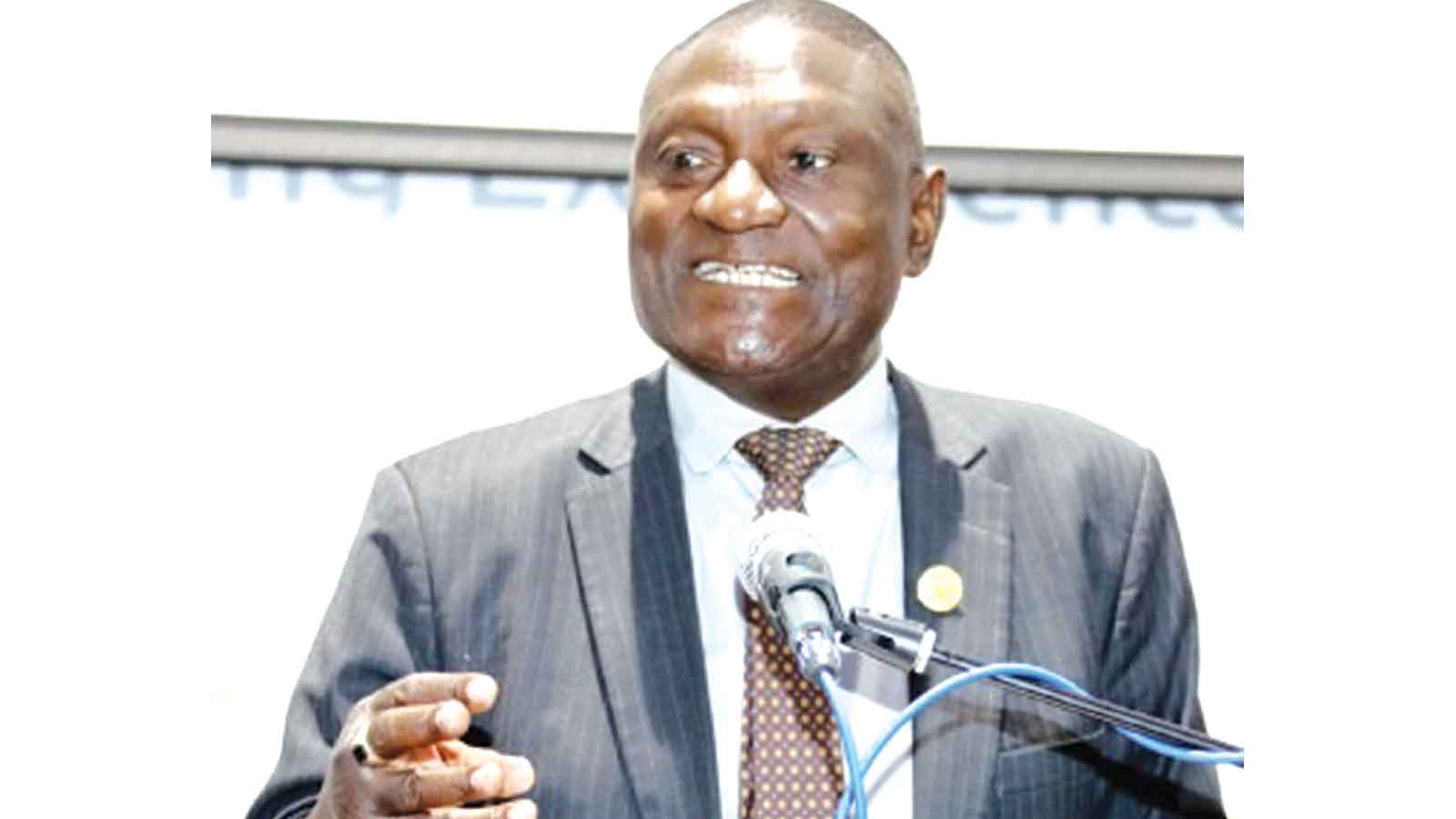
Speaking during a food distribution programme at Malalume area in Bulilima District on Thursday, Russian Deputy Ambassador to Zimbabwe, Mr Sergey Kuzin, said the support reflects both immediate humanitarian commitment and a broader strategic partnership anchored on long‑term cooperation.
“This donation is part of Russia’s contribution to the World Food Programme and is meant to assist the most vulnerable communities to overcome challenges caused by climate change,” he said.
Deputy Ambassador Kuzin underscored the depth and continuity of relations between the two countries, noting that Zimbabwe “remains — and will remain — in the forefront due to the deeply rooted relations of friendship and solidarity between Moscow and Harare”.
Beyond humanitarian assistance, he signalled a deliberate shift towards expanded trade, fertiliser supply and private‑sector‑driven cooperation.
“In the bilateral context, Russia’s Government and companies are very much interested in deepening trade and investment with Zimbabwe. We look forward to increasing bilateral trade, primarily in agricultural products and fertilisers,” he said.
Share this article Поделиться этой статьей
Copy link to share this article Скопируйте ссылку, чтобы поделиться этой статьей